A sewer is the foundation that carries surface runoff through pipes. It includes elements such as collecting drains, discharge points, pump stations, pumping stations, and storm sewers. The sewer is also responsible for absorbing soil and debris from its surroundings. When the sewer is full of trash, the water may overflow to surrounding areas. In some cases, the water may cause flooding and damage to the structure and property of the home.


What exactly is a sewer? A sewer is an elaborate system that carries sewage or other water runoff with drains to sewers. A sewer can be a part of a building’s interior, exterior, or both. A sewer can also be underground and connected to a surface drain field through underground drainage. The term “sewer” is a generic term that covers all these systems. When a house has an underground sewer system, the drain field is called an infiltration system, or a septic tank, and when a surface drain field is present, it is referred to as a surface drain. When problems arise, consider Drain Lining and contact a site like Wilkinson env drain lining company.

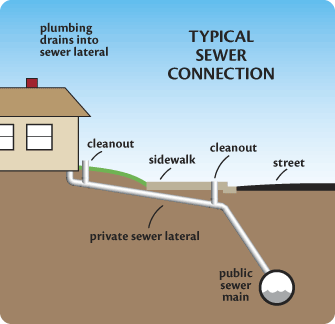
A sewer is composed of an infiltration system, a sewer line, and a drain field. All these components are interconnected by pipe. It is the entire set of pipes that carries the sewage from its source to the sewage treatment facility. The main purpose of these pipes is to trap and remove solid matter and liquids from a location before it flows out into the drain field. All components together form a functional system, a sewer.
How gravity and pumping move wastewater
Most sewer systems rely on gravity to carry wastewater from homes to a central treatment works. To make this possible, the network keeps a constant downward gradient, which also keeps the flow moving fast enough to clean the pipes as it goes. The network branches into primary, secondary and tertiary lines, with smaller pipes in each neighbourhood feeding into larger mains, and many sewers follow the line of major roads through a town.
Where wastewater has to climb, gravity is not enough. Force mains carry sewage under pressure, and lift stations raise it from low lying areas to higher ground so gravity can take over again on the way to the treatment plant. Main sewers are buried deep enough to carry traffic loads above them without damage.
Sewer pipes are sized for human waste and toilet paper, not food scraps or other materials, which can cause blockages and pollution. Ageing pipes also lead to backups, so regular maintenance and repair matter.
Warning signs of a drainage problem
When part of the drainage system starts to fail, the signs usually show up around the home first. Water backing up, flooding inside or outside, persistent blockages, slow or overflowing drains and a foul smell are all common symptoms. Causes include hair and grease washed down plug holes, broken sewer pipes and tree roots growing into the pipework.
Puddles and wet spots that keep appearing on a lawn can point to the same problem, as can water stains on the foundations caused by water pooling close to the house. Cracks in walls deserve attention too. Small cracks in foundation walls are usually harmless, but large ones should be taken seriously, and cracks that are widening call for professional advice.
Spotting these signs early can prevent costly repairs. Drainage engineers can clear clogged drains and pipes by removing built up grease and debris, and damaged sections can then be relined.
